
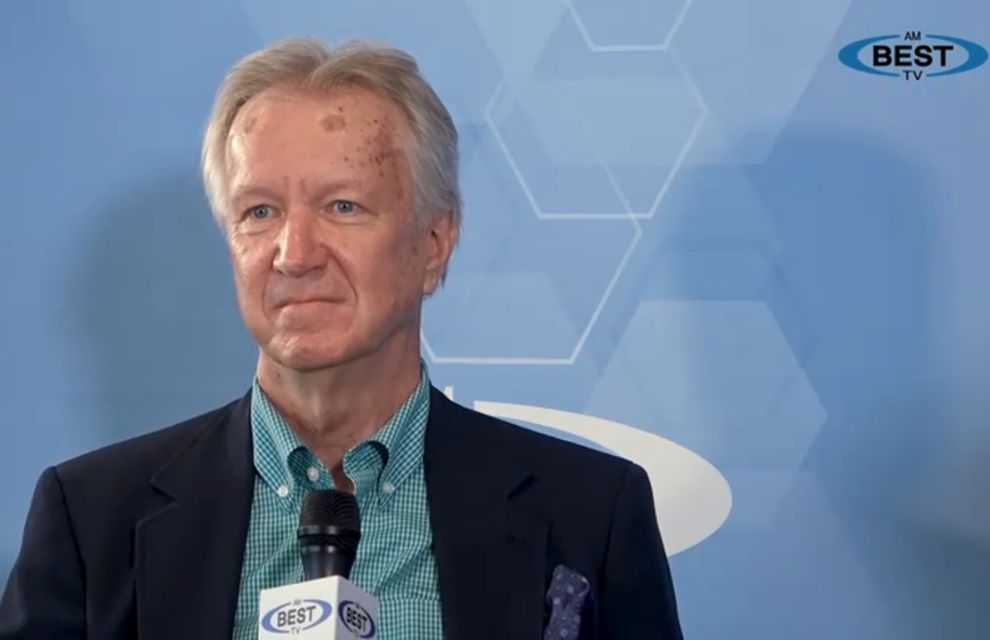
David Piner, captive director for Michigan’s insurance department, spoke with AM Best TV at the 2025 Vermont Captive Insurance Association (VCIA) annual conference, about his proposed cutting of captive insurance fees. Piner said that he believed there is a growing trend in the number of formerly offshore captives returning and undergoing a formal redomestication. He added that there were “still some quirks in the offshore laws, and they’re not finding those quirks onshore”. He notes that there is a level of comfort in relocating to a state, like Michigan, that has had captive laws for over 15 years. Piner attributes this shift to the fact that “nobody wants to be a pioneer and come in the first couple of years”. Piner believes that the business community will struggle with the unpredictability surrounding the shift in US tariff policies, because they “don't do well with uncertainty”. Despite this, he still holds the opinion that “the business community does well with just about anything”. Piner said that once the tariff situation is settled, more formations of captives are likely to take place. His newer proposed legislation is set to cut the application fee in half, and do away with in-state board meetings. The bill has not yet been passed, which Piner ascribes to the general political landscape of the US. He assures AM Best that there “aren’t really any hang-ups with the bill itself”. Despite the ongoing evolution of the industry, Piner believes captives will still work for prospective owners, describing it as “one of the best decisions you’ll ever make”. He believes that the domiciles are treating each other better, in contrast with what he recalled as a “time when you might see some — either on the record or off the record — unpleasantries going on between domiciles”. Piner insists that you need a united front and that praising other domiciles is universally beneficial for the industry. In contrast, he added that, in over 40 years in the captive space, the IRS’s 831(b) hit list still contains several captives, a sentiment he says the industry feels “shocked and dismayed” by. He foresees the Michigan captive market as one that is “just going to be keeping on”. He shared his understanding of the potential for opportunities, and singled out AI as “unusual” for its lack of innovative ideas, while acknowledging its potential as an unknown quantity. Piner also noted Michigan’s place at the forefront of captive evolution, saying the domicile had been the first to license a cannabis captive. Piner finished his interview by outlining his uncertainty regarding the future of the industry, describing his outlook as “kind of hazy right now”. He then added that he was still excited over the potential future endeavours of the captive market.
