
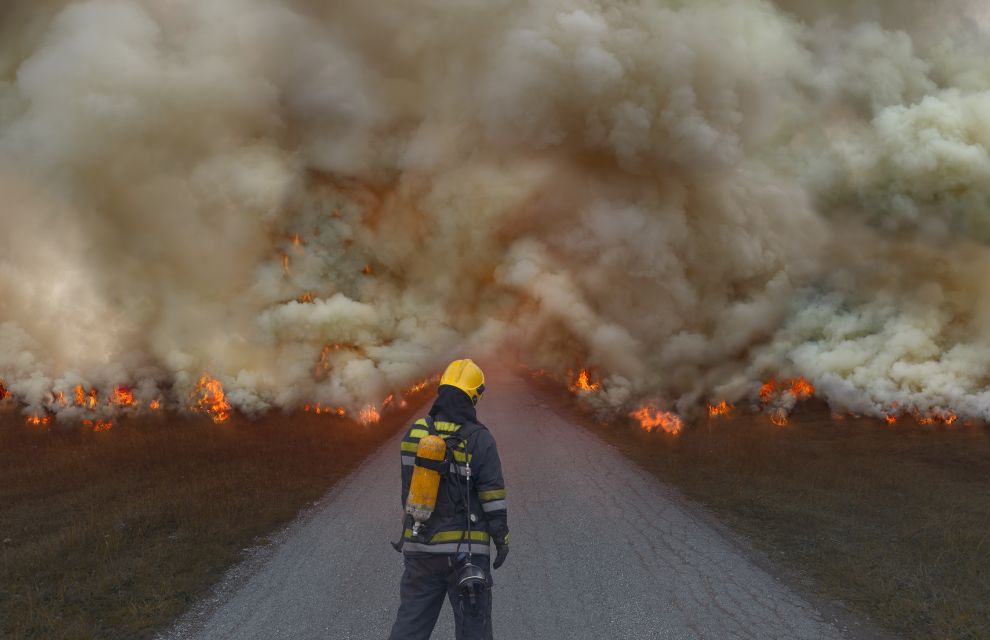
Global insured losses from natural catastrophes are on track to exceed US$100 billion for the sixth consecutive year, according to the latest Natural Catastrophe Review published by Willis, a WTW business. The biannual report warns that 2025 is already shaping up to be one of the costliest years on record for the (re)insurance sector, driven by a series of severe and historically unprecedented events across the globe. So far this year, catastrophe losses have been fuelled by extreme wildfires in the US, Japan, and South Korea, along with record-breaking tornado activity in the US, a rare landfalling cyclone near Brisbane, and the highest wind speed ever recorded over Ireland. The Los Angeles wildfires in January alone are expected to generate insured losses of more than US$40 billion — accounting for nearly one-third of the total global insured losses recorded in 2024. The report outlines how a rapidly changing climate is amplifying the frequency and severity of such events. It calls on risk managers and insurers to adapt to a new era of extremes, integrating climate forecasts and leveraging scientific insights to reassess exposures and bolster resilience. Willis highlights the growing threat posed by events at the wildland-urban interface and recommends renewed scrutiny of catastrophe modelling frameworks, especially as North Atlantic hurricane activity is predicted to exceed seasonal averages. Peter Carter, head of Climate Practice, Willis, says: “2024 continued a six-year streak of natural catastrophe losses in excess of US$100 billion. The wildfires in Los Angeles early in 2025 will drive estimated losses of US$40 billion alone so the streak looks set to continue.” Cameron Rye, director of natural catastrophe analytics at Willis, adds: “The scale and timing of the [Los Angeles] event placed immediate pressure on insurers’ catastrophe loss budgets at the beginning of the year and prompted a renewed focus on how wildfire risk is modelled, particularly in high-exposure areas like the urban-wildland interface.” The report also offers forward-looking insights into the remainder of 2025 and early 2026, identifying regions facing elevated catastrophe risk and advising on how to best integrate seasonal weather forecasting into risk strategies.
